
Who Owns AI
Written by Sanskar Sharma (Intern) · Legal Inkwell
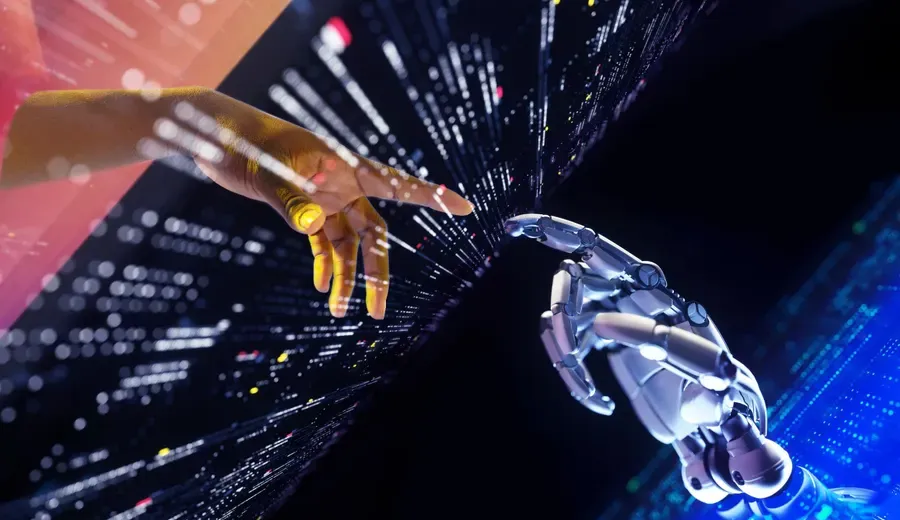
A piece of art wins a contest and gets a lot of attention, but later it comes out that it was an AI-generated art made with AI (artificial intelligence). The debate that follows is not about the quality of the art, but about who owns it.
In a legal system that sees authors as people who make things, AI-generated art raises a basic question: who, if anyone, owns these works?
Under the Copyright Act, 1957, authorship is directly linked to human creativity. The definition of an Author in relation to different categories of the work is given under section 2(d) (vi) of the act, it specifically says that for computer-generated work “the author is the person who causes the work to be created”.
A key requirement for copyright is “originality”. As per section 13 of the act only the original works are protected under copyright protection. The Supreme Court in the case of Eastern Book Company v. D.B. Modak clarified that originality is about having a judgment, a basic level of creativity, not just an idea. The act protects the judgment of the human mind.
AI-generated art is often produced through automated systems trained on existing data. A user may give basic prompts, but the final output is generated by the AI system. This raises an important question “is giving just instructions enough to call as creation.”
The answer depends upon the level of human involvement. Where a user merely inserts a basic prompt and that generates a result, such type of involvement may not come under the definition of originality. On the other hand, a user exercises significant control on the result through detailed prompting, multiple selections, and modifications so the resulting work can reflect sufficient skill, creativity, and judgment. The human user can be recognized as an Author.
Artificial intelligence should not be treated as an author, but merely as a tool. The ownership of the AI-generated art must depend on the level of human creativity involved. Where a person simply provides a basic prompt, copyright protection may not arise. On the other hand, if the user who controls the output uses skill and judgment, then such artwork can be authorized to the human creator.
In conclusion artificial intelligence artworks pose a great threat to the conventional copyright law that is grounded on human creativity. The Copyright Act, 1957 addresses computer-generated artwork, however the application of the act to modern AI systems is not clear. Therefore, the ownership of the AI-generated artwork depends upon the involvement of human input in creativity. Artificial Intelligence should not be treated as an author but rather a tool that assists in human expression. Where the contribution of the human is minimal, there may be no copyright protection for that work. However, if the user is applying skill, judgement, and creative control for the resulting work, then the credit should go to the human author rather than the AI. This way the core purpose of the Copyright Law can be preserved while adapting to the emerging technological realities.
Disclaimer: The contents of this publication are solely for information and general knowledge and not for advertising, marketing, soliciting or to build an advocate-client relationship. This is not professional advice or opinion which may be sought before initiation of any legal action. Although everything contained hereinabove is extensively researched, Legal inkwell does not assume any responsibility for any errors, which may inadvertently appear. Legal inkwell will also be not responsible for anyone acting/ refraining by placing reliance on contents of this publication resulting to any kind of loss or damage.
Copyright © 2026